A Quick Glance

  • black-arrow

    Manage Change Using Agile Techniques

  • black-arrow

    Learn to Initiate Change Programs for your Organisation

  • black-arrow

    Develop Communication Plans To Bring About Change

  • black-arrow

    Learn to Manage Change From APMG Certified Instructors

  • black-arrow

    Low Course Price

  • black-arrow

    Higher Salaries after Course Completion

Change is essential and organisations need to change from time to time. Managing change and dealing with its impact is one of the high priorities for today’s organisations. The joint venture of APMG  and CMI (Change Management Institute) has come up with The Change Management Certification to recognise and provide the skills required to skillfully handle organisation change, and serve as a benchmark for professionals aspiring to be effective change managers.

APMG’s refreshed Change Management course is aligned with its Body of Knowledge. The new syllabus contains a wide range of knowledge regarding the theory and practice of change management including:

  • Change and the Individual
  • Change and the Organization
  • Communication and Stakeholder Engagement
  • Change Practice

Who should take this course

Existing or aspiring Change Managers who want to bring about and manage change in their organisation are the focus of this course. Thus the audience for this course can be among the following:

  • Program Managers
  • Project Managers
  • Business Managers
  • HR representatives
  • Any member of a team involved in an organisational change
More

Prerequisites

The course has no prerequisites, but delegates who have an experience of organisational change have an added edge to their qualification for this course.

More

What Will You Learn

During the course, candidates will become familiar with the following concepts:

  • Recognise the Change Drivers
  • Consider the Impact Of Change On Individuals In A Business
  • Isolate Different Organisation Cultures
  • Know the Impact of These Cultures on Change Process
  • Choose a Framework to Create a Change Management Plan
  • Plan Learning Activities to Support Change
  • Identify and Examine Stakeholders’ Influence on the Change Plan
  • Create and Implement a Communication Management Plan
  • Develop an Active Change Team
More

What's included

  Course Overview

During this course, delegates will learn about the various types of changes affecting organisations and how these changes can be approached and managed to reach desired outcomes. The course introduces them to four different levels of change – in relation to the organisation, in relation to the individual, in relation to the communication and stakeholder commitment and finally to change management in practice. It is followed by the APMG Change Management exam, the passing of which rewards the Change Management Foundation certification.


All courses are offered by Pentagon Training Ltd, an Affiliate of The Knowledge Academy Ltd., an Accredited Training Organisation of The APM Group Ltd.

More

  Course Content

  • Change and The Organisation
    • Reasons for Organisations to Change
    • Implications on The Design of Change Programmes
  • Change – Organisation and The Individual
    • Change Management Perspective
    • Impact of Change On An Individual
    • It's Implications While Planning Change
    • Frameworks to Support the “People Focused” Change Management Plan
    • Main Roles in Supporting Change
  • Education and Learning Support
    • The Learning Process
    • Recognising and Meeting The Learning Needs
    • Implications of Learning Styles While Designing Learning Interventions
  • Communication and Stakeholders’ Engagement
    • Stakeholder Plan
    • Identify and Analyse Stakeholders
    • Develop Change Management Foundation Effective Strategies
    • Communication and Commitment
    • The Effective Communication Theory
    • Different Communication Channels and their use
    • Developing a Communications Plan
    • Monitoring and Evaluating The Effectiveness of a Communication
  • Change Management In Practice
    • Change Impact
    • Tools to Ensure A Comprehensive Change Management Plan
    • Change Readiness, Planning and Management
    • Increase The Level of Motivation to Change
    • Build Organisational Readiness to Change
    • Prepare for Resistance
  • Personal and Professional Management
    • Develop Teams To Help Manage Change
More

Change Management

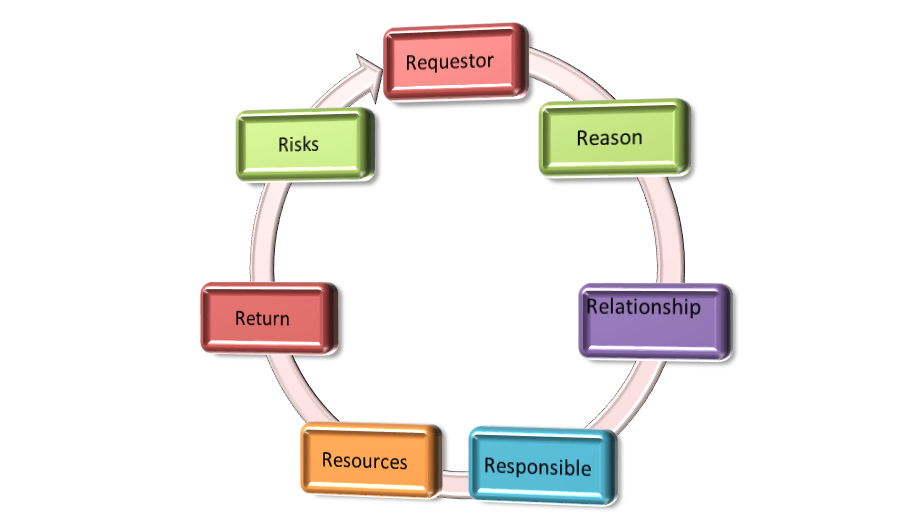
The Change Advisory Board (also known as CAB) analyses the seven R’s to know how the organisation has been affected by the Change process.These 7 R’s are:

  • Requestor – Who raised the change?
  • Reason – What is the reason for the change?
  • Relationship – What is the relationship between this change and other requested change?
  • Responsible – Who is responsible for the build, test and implementation of the change?
  • Resources – What resources are required to deliver the change?
  • Return – What is the return (outcome) required from the change?
  • Risks -What are the risks associated with the change?


Change Management Foundation Enquiry


Enquire Now


----- OR -------

Reach us at +44 1344 961530 or info@pentagonit.co.uk for more information.

About Reading

Located in Berkshire, Reading is a large and historically significant town. It was an important center of trade as well as religion in the medieval period. The Reading Abbey, still has its  12th century abbey gateway and significant ruins intact. Due to the English Civil War the town was damaged severely, causing a significant loss in trade. Reading also played an important role in the Revolution of 1688. It is where the revolution's only significant military action was took place. The Great Western Railway , the brewing business, baking and seed growing all happened in 19th century. Now,Reading boasts of being a  major commercial centre, that involves information technology and insurance. Reading   has, despite its nearness to London, a net inward traveler flow.


Reading came up as a settlement way  back in the 8th century. It had become the largest town in Berkshire by 1525 and had a population of around 5000 in the early 17th Century. It was in the 18th century that major iron works in the town came up and the city saw the growth of the brewing business for which Reading is known till date. It was in the 19th century that Reading saw the growth of manufacturing business also.

Economy

Reading is a vital commercial centre in the Thames Valley and Southern England. It is home to the headquarters of many British companies and UK offices of foreign multinationals. It is also a  major retail centre. Daily Reading has an inflow of 30,000 commuters as compared to 24,000 departures. Large companies such as  Microsoft and Oracle  have their headquarters in Reading. Other businesses in Reading are Prudential, PepsiCo and Wrigley. In 2007, an independent poll placed Reading 16th in a league table of best performing retail centres in the UK.

Culture

Reading is known for its Reading Beer Festival which was first held in 1994 and is now known to be one of the largest beer festivals in the UK. It takes place at King's Meadow for the five days immediately preceding the May Day bank holiday every year.  Reading Pride also takes place at Reading, an annual LGBTA festival in Kings Meadow.


Museums

The Museum of Reading  contains galleries that showcase the history of Reading . The museum is also home to the excavations of Calleva Atrebatum. It also houses a full-size replica of the Bayeux Tapestry, an art collection, and galleries relating to Huntley and Palmers.

Located in East Reading, The Museum of English Rural Life,is dedicated to the changing face of rural England. It also has collections of public value. It is not only owned but also managed by the University of Reading. The Ure Museum of Greek Archaeology, the Cole Musum of Zoology and the Harris Botanic Gardens are also under the same management. All these museums can be found on the university's Whiteknights Campus.

There is also a small Riverside Museum at Blake's Lock which tells one about Reading's two rivers, the Thames and the Kennet. The Museum of Berkshire Aviation  houses a collection of aircraft and other aviation accessories.


More